

There was great anticipation and uncertainty as Everton and manager David Moyes kicked off their 25/26 home campaign against Brighton at their newly built home on the docks of Bramley-Moore, the Hill Dickinson Stadium. Nerves were quickly settled as Everton triumphed with a resounding 2-0 victory over Brighton.
This sparked my interest to revisit times in football history when clubs have made the transition from their “Old stomping ground” (e.g. Goodison Park), to their new place of residence. The point of this being to determine if there was any positive or negative relationships between clubs moving stadium and their respective performance the following season.
Arsenal – Highbury to the Emirates Stadium

Kicking it off with the Gunners from North London. Arsenal made the switch from Highbury to the Emirates stadium ahead of the 2006/07 season, just over 6 years after the initial proposal in November 1999.
They ended their campaign in 4th place finishing narrowly ahead of their North London rivals Tottenham (who will be mentioned later!), after an infamously dramatic final day. For all of you who know your football history, yes it was the “lasagnagate” incident.
The Gunners won 14 of their 19 home games that season, compared to 12 the following season (74% vs 63% win rate). Interestingly only two teams won more home games in the 06/07 season (Man Utd 15 games and Liverpool 14 games).

Statistically they didn’t do quite as well in their first season at the Emirates stadium but it was fairly close. Even their league position of 4th remained the exact same across both the 05/06 and 06/07 season.
Tottenham Hotspur – White Hart Lane to the Tottenham Hotspur Stadium
Moving onto Arsenal’s North London rivals Tottenham Hotspur, who made their move from White Hart Lane to their new stadium at the backend of the 18/19 Premier League season. Their first game ended in a 2-0 win on the 3rd April 2019 against Crystal Palace.

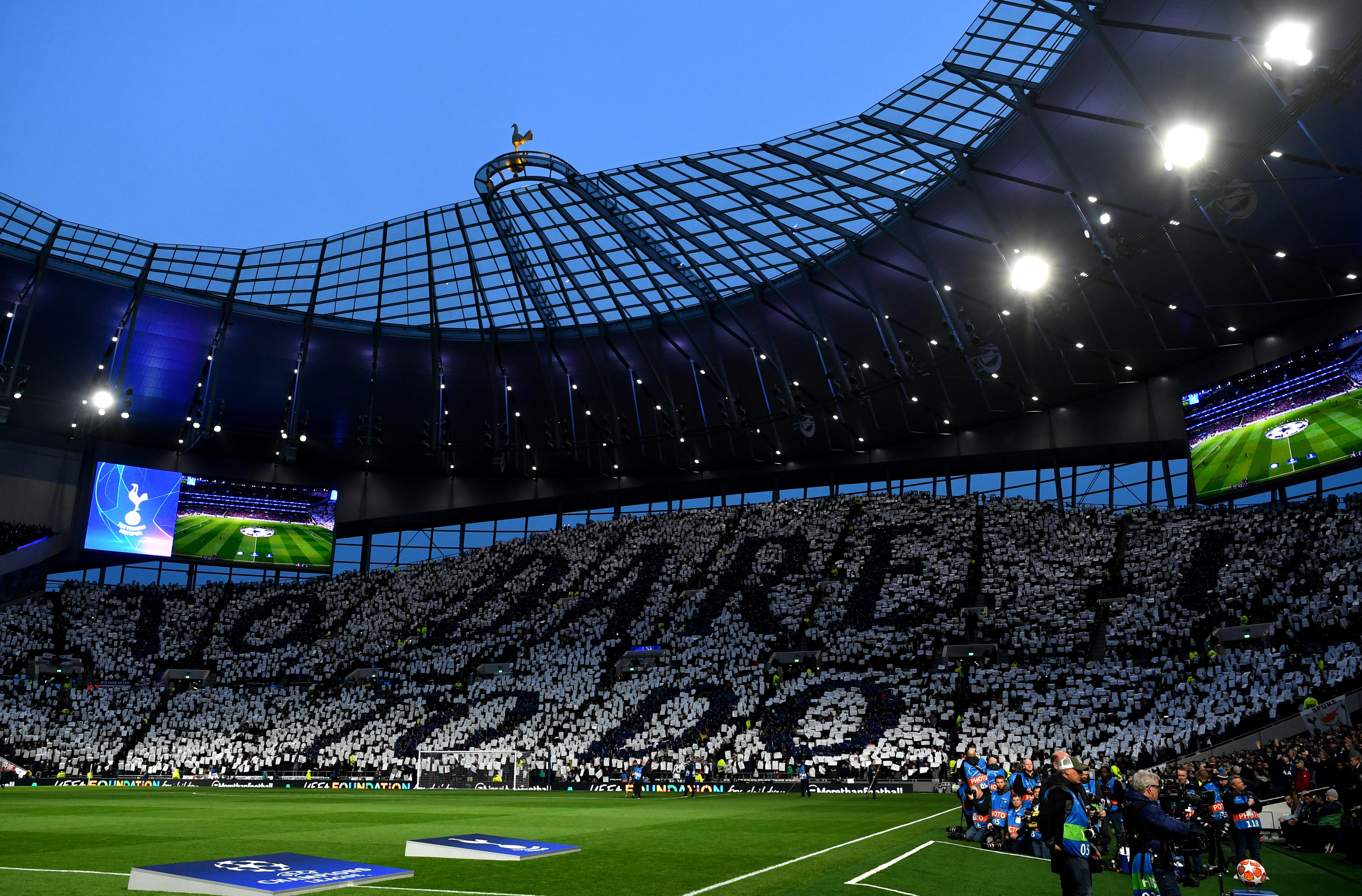
For the sake of this blog however, only their data from the following 19/20 season will be used. This also means their short-lived spell at Wembley Stadium (2017-2019) will also be discarded.
In the 16/17 season they had an almost perfect record (W17 D2 L0). The best home record in the Premier League that season. There might be some relation in the drop in performance level in the 19/20 season, however their team did peak in 16/17, so it’s more than likely a natural decline in the team and Pochettino (ultimately sacked the same season).

West Ham United – Boleyn Ground to the London Stadium

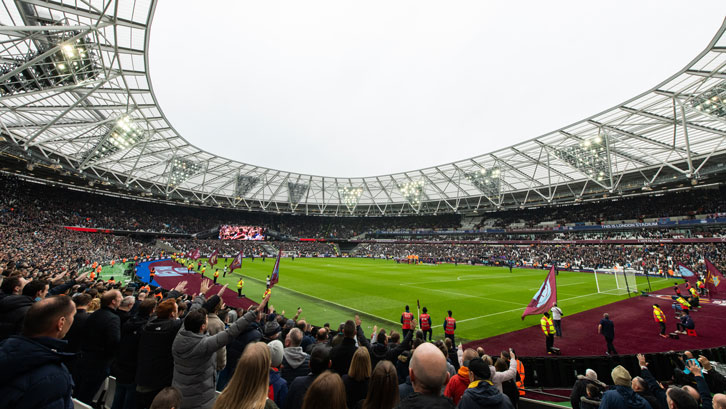
Venturing slightly west of London now and it’s quite hard to believe that the London Stadium (initially built to host the 2012 Olympic games) has been home to the Hammers for almost a decade already!
West Ham fans have been very opinionated on the stadium during this time, with many referring to it as “soulless” and expressing their distaste at how far the stands are from the pitch, a stadium not designed with football fans in mind.
In their final season at Boleyn Ground (often referred to by many as Upton Park), they enjoyed one of their best EPL seasons finishing 7th and capping off their final game in style. A 3-2 win over Man Utd thanks to defender Winston “Reid all about it” (I hope at least someone gets that reference).
Their form took a decline the following season and so did their league position but they did manage to win the inaugural home game 1-0 vs Bournemouth thanks to a Michail Antonio header. So there’s that.

Fun fact: They took more points from home games (34) than my team Liverpool managed that season (32).
Atlético de Madrid – Vicente Calderón to the Estadio Metropolitano

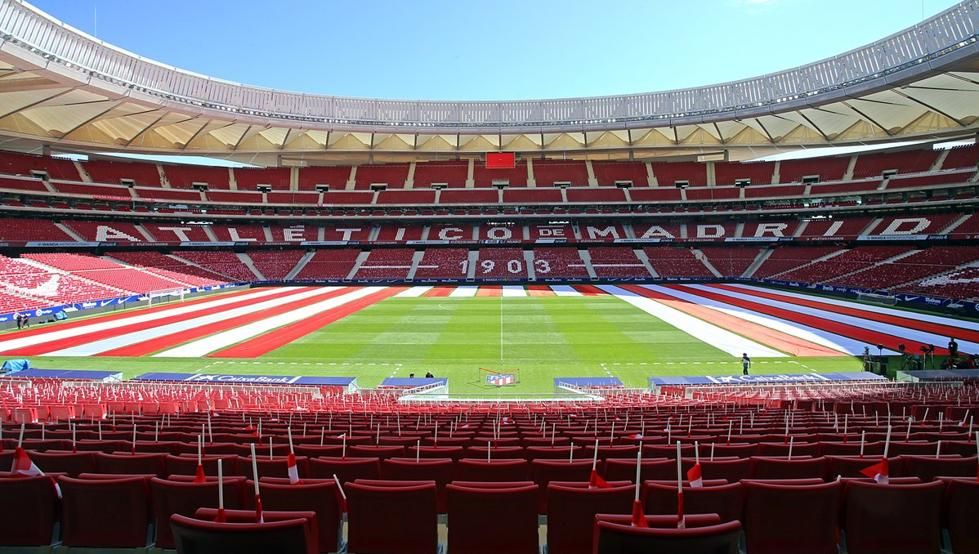
Pivoting swiftly on to the Spanish capital of Madrid and no, Real Madrid aren’t the team being talked about here but instead their local rivals Atlético de Madrid. Los Rojiblancos (the red-whites) moved from their beloved Vicente Calderón ahead of the 17/18 La Liga season. It had been their home since 1966.
Although their new stadium’s name doesn’t have the same romantic feel about it, there is no denying that the Estadio Metropolitano is a object of architectural beauty and brilliance. It’s the exact definition of a modern stadium whilst keeping some of the elements that made the Vicente Calderón so great.
Atléti ended life at the Calderón with a 3-1 win over Athletic Bilbao, Fernando Torres scoring twice. Torres previously commented on the Calderón stating: “My life and my memories are connected to the Calderón, my greatest days as a supporter and as a player are in that stadium” (BBC Sport, 2017). They also began their tenure at the Metropolitano with a 1-0 win over Málaga courtesy of Antoine Griezmann.
The numbers are statistically almost identical across both seasons, however they did go one better in 17/18, finishing 2nd to FC Barcelona and ahead of Real Madrid.

Fun fact: In 2019, the Estadio Metropolitano hosted the Champions League final between Liverpool and Tottenham. In doing so it meant Spain became the first country to have hosted the European Cup/Champions League final at 4 different venues (Santiago Bernabéu, Camp Nou, Ramón Sánchez-Pizjuán, Estadio Metropolitano).
Juventus – Stadio delle Alpi to the Allianz Stadium
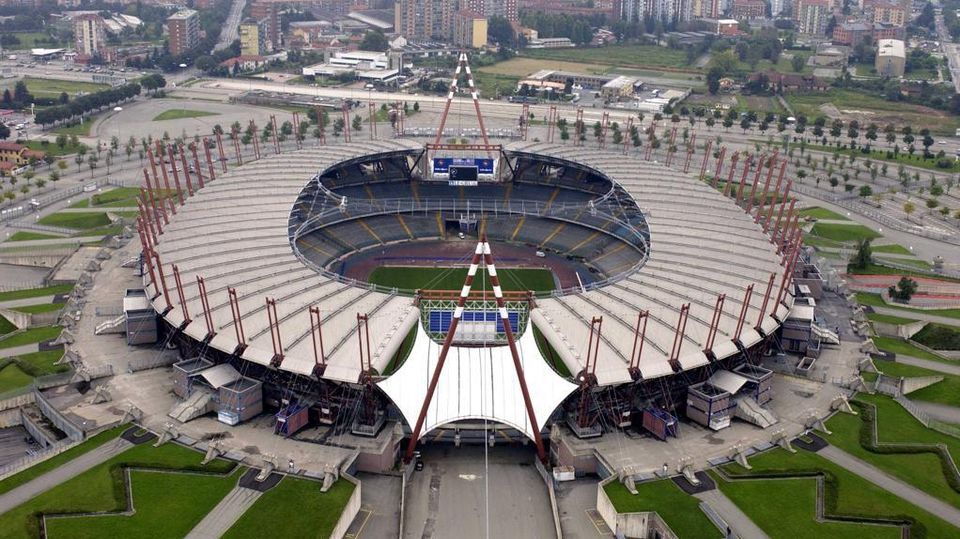
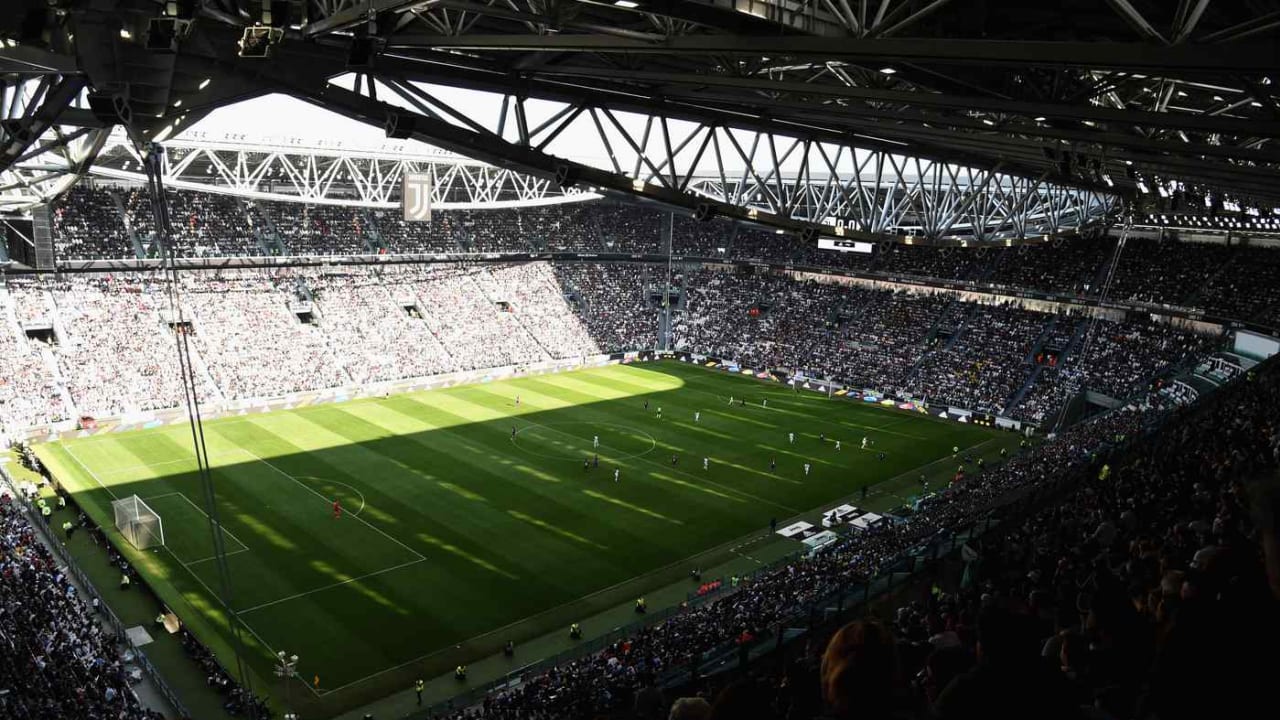
Juventus moved from the Stadio delle Alpi (“Stadium of the Alps”) to the Allianz Stadium in 2011. The new stadium was built on the same existing site as the old one and was designed to upgrade upon the Stadio delle Alpi’s poor spectator viewing spots and lack of atmosphere. With the Allianz Stadium, fans are now much closer to the pitch.
The Old Lady initially left the Stadio delle Alpi in 2006 and played at the Stadio Olimpico Grande Torino between 2006-2011. The temporary stadium was unpopular amongst supporters due to its low capacity of just over 28,000.
This is an interesting one as the actual numbers reveal that Juventus of 05/06 slightly edged their 11/12 competitors (albeit the latter side went undefeated in Serie A). However due to the “Calciopoli” scadal, their title in 05/06 was revoked and they were subsequently relegated to Serie B. I’ll let the readers be the judge of who had the better season.

Both seasons, they averaged an impressive 2.5 and 2.4 ppg respectively. It goes to show the consistency of this great club considering the data is from two separate decades. The same can’t be said for the Old Lady of the present day however.
Olympique Lyonnais – Stade de Gerland to the Groupama Stadium

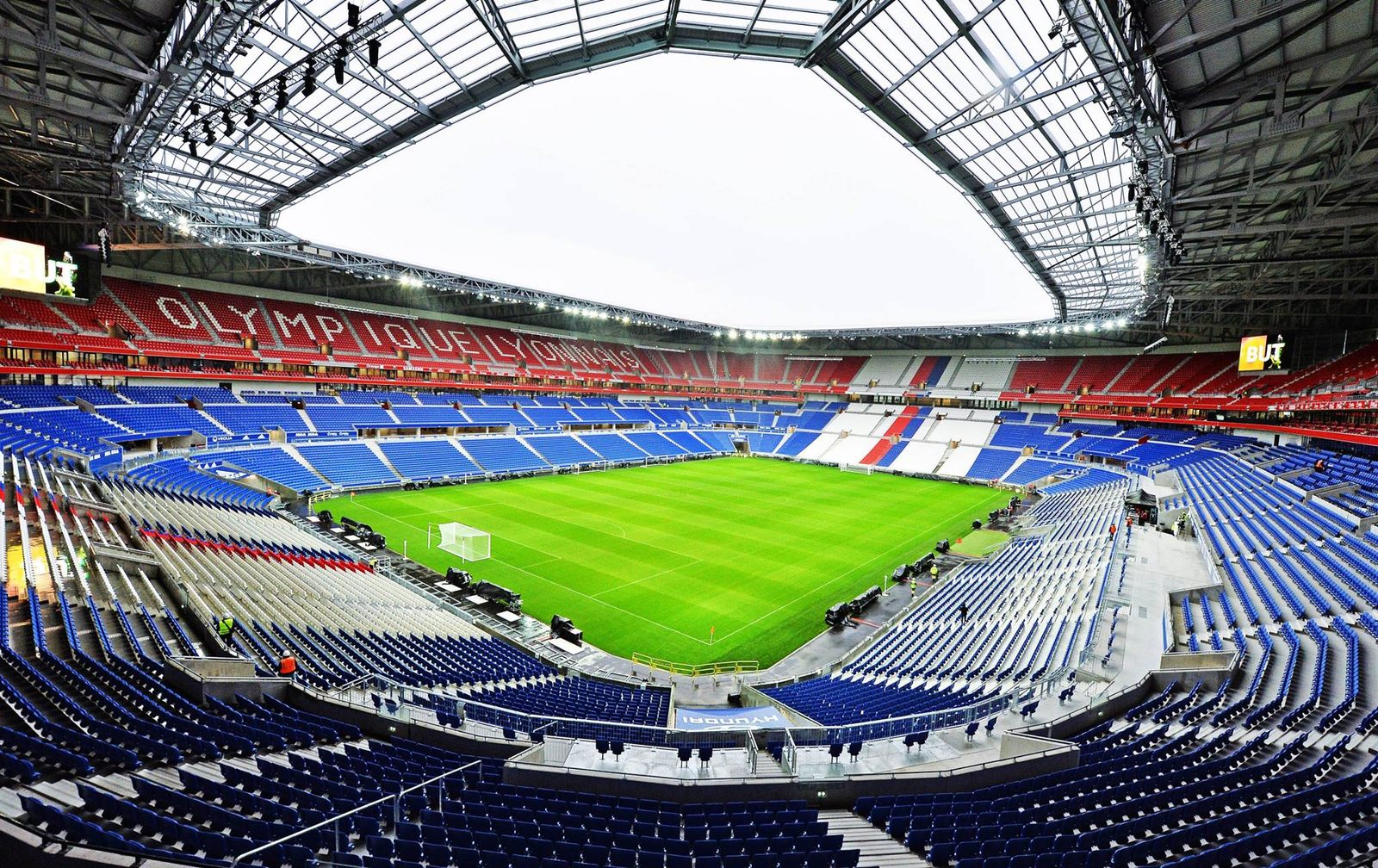
Last but not least, Olympique Lyonnais. Les Gones have been present in the Groupama Stadium since January 2016. However, as that was midway through the 15/16 season, I have decided to look at the 14/15 and 16/17 season either side. It replaced the Stade de Gerland which became the home of Lyon OU Rugby.
Their last home match at the Stade de Gerland in Ligue 1 resulted in a 2-0 loss to Angers in December 2015. Fortunately for Lyon they did go and win their first game at the Groupama Stadium, beating Troyes 4-1 with Alexandre Lacazette scoring the very first goal.
In the 14/15 season, Lyon finished runners up to the French giants PSG, with the 2nd best home record in Ligue 1, behind the eventual Parisian champions.
The stats show they were worse off in the 16/17 season dropping down to 4th overall and with the 6th best home record.

From the 6 European teams I cherrypicked, the notion seems to be that teams fare slightly worse off at home in their new stadium albeit to a very small degree.
- West Ham were the team the worst off with -9 point differential from the previous season
- Juventus were the team least affected with the highest ppg ratio (2.4) and the smallest decrease in points differential (-2, level with Atlético who had a smaller points total)
There does seem to be some type of negative correlation but it’s not clear how much a new stadium impacts a team. For some clubs they experienced better or equivalent league finishes the following campaign (e.g. Atlético, Arsenal and Juventus).
As for Everton, only time will tell but winning the first match is always a positive start.
 FOOTBALL FOOD FOR THOUGHT
Leave a comment